Sewer Line Repair Services for Backups and Breaks
Request an estimate for your sewer line
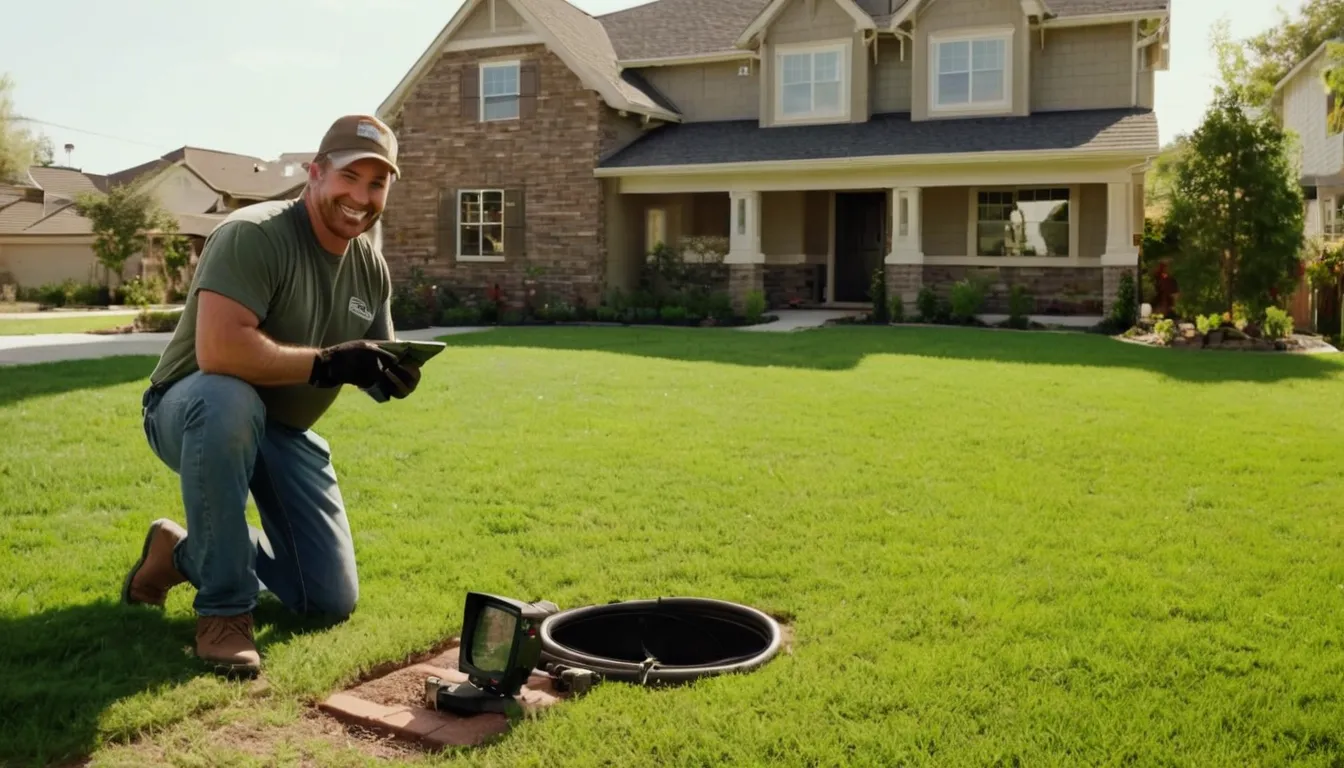
Say you flush the toilet and the shower drain gurgles. Or the lawn near the street stays soggy for days. These are common signs of a damaged sewer line. Bloodybar Septic is a referral service that connects homeowners in Dallas and the Dallas area with independent providers who repair these lines.
Bloodybar Septic does not do the digging or the repair. A provider in our network inspects the pipe, explains the options, and gives you a written quote. Our goal is less searching and a quicker start. Early help can keep a small crack from turning into a flooded floor and a torn-up yard.
Sewer Backup? Do This First
Say you start a load of laundry. A few minutes later, the floor drain burbles and a dark puddle spreads. That is a sewer line that cannot carry waste away. It needs attention soon, because the mess grows while water keeps running.
Stop Using Water
Hold off on flushing, showers, the dishwasher, and the washer. Each gallon you send down has nowhere to go. Even a small amount can push more waste into the house.
Keep People and Pets Back
Backed-up wastewater carries germs. Keep kids and pets out of the wet area. Open a window if the smell is strong. Wear gloves and boots if you must step in.
Reach a Provider Early
Take a few photos of the damage. Then request an estimate. A local provider in our network can look at the line while the problem is still small. Many providers can respond quickly. Request a callback to check provider availability.
Signs of a Sewer Line Problem
Most lines give a warning before they fail. Say you notice one odd thing, then another. Treat that pattern as a signal, not a coincidence.
Slow Drains Everywhere
One slow sink is usually a clog in that sink. But if the tub, toilet, and kitchen all drag at once, the main line may be blocked.
Smells and Soggy Spots
A sewage smell in the yard or near a drain is a clue. So is a patch of grass that stays wet, or grows greener than the rest, even in dry spells. In hot, humid summers, a smell can show up fast.
Gurgles, Cracks, and Sinking Ground
Gurgling after a flush can mean air is trapped behind a blockage. Cracks in a slab or a dip in the lawn can point to a broken pipe below. Rodents or insects coming up from drains are another warning.
What Damages Sewer Lines
Roots Looking for Water
Roots slip into tiny joints in search of moisture. Over time they grow into a thick mat that catches paper and waste.
Age, Soil, and Storm Seasons
Older clay or cast iron pipes crack and flake. Heavy downpours soak the ground, and shifting soil can pull joints apart. On slab-on-grade ranch homes, a bad line often runs under the floor, so even small shifts matter. Older pier-and-beam houses can have pipes that sag under the home.
Things That Should Not Go Down
Wipes, grease, and so-called flushable products build up in the pipe. A sag, often called a belly, holds waste and clogs again and again.
How Sewer Line Repair Works
Camera Inspection First
A provider usually feeds a small camera into the line. You can watch cracks, roots, and sags on a screen. This shows where the trouble is, so digging stays limited to what is needed.
Spot Repair, Lining, or Replacement
A short break may need only one section replaced. Lining slides a resin sleeve inside the old pipe with little digging. A badly collapsed line may need full replacement. Ask which fits your pipe, and why.
Sewer or Septic? Say So Early
If your home is on septic instead of city sewer, the trouble may be in the tank or drainfield. That is a different job, such as septic tank pumping, emergency septic cleaning, or drainfield repair. Tell the provider what kind of system you have when you ask for help.
Permits and Property Lines
Say the break is out near the street. The part of the line under your yard is usually yours. The part in the public right of way may belong to the city or a utility. Rules differ by area. Many repairs need a permit and an inspection. Ask who handles the paperwork.
If your home has a private well, tell the provider before any digging. Well lines and sewer lines need safe spacing. A separate water well service provider can help check the well afterward if you have concerns.
Restoring Your Yard
Digging leaves a scar. Before work starts, ask how the trench will be filled, packed, and covered. Sod, seed, and landscaping may cost extra. Lining and other trenchless options can leave far less mess. Heavy rain can wash out fresh soil, so ask what steps protect it.
Keeping Your Sewer Line Healthy
Fix it, keep it. After the repair, a few habits protect the work.
- Flush only toilet paper and human waste.
- Keep grease and wipes out of every drain.
- Plant trees well away from the line.
- Keep the cleanout cap easy to reach.
- Ask about a camera check every year or two if your pipes are old.
- Watch for slow drains after big storms.
Questions to Ask the Provider
- Will you use a camera, and can I see the video?
- Is this a spot repair, lining, or full replacement?
- Is a permit needed, and who handles it?
- What does the written quote include, such as yard repair?
- Is there a written warranty on the work?
- How long should I keep water use to a minimum?
A good provider answers plainly and puts the plan on paper. If something sounds unclear, ask again.
What's Included
Camera Line Inspection
A small camera checks the pipe so the provider can find cracks, roots, and sags before digging.
Spot Repairs
A damaged section is cut out and replaced when the rest of the pipe is sound.
Trenchless Lining Options
A resin sleeve can seal an old pipe from the inside with far less digging.
Full Line Replacement
When a pipe has collapsed or failed in many places, providers may replace the whole run.
Typical Sewer Line Repair Costs
Prices vary by pipe depth, length, soil, and access. These are typical U.S. ranges only, so ask for a written quote before any work begins.
| Service | Typical range | Notes |
|---|---|---|
| Camera inspection | $100 – $500 | Shows the cause and exact location |
| Drain cleaning or jetting | $150 – $800 | Clears roots and buildup in the line |
| Cleanout installation | $200 – $1,500 | Gives easier access for future service |
| Spot repair | $1,000 – $4,000 | Depends on depth and surface type |
| Trenchless lining | $3,000 – $10,000 | Less digging, but not right for every pipe |
| Full line replacement | $3,000 – $25,000 | Long runs and deep pipes cost more |
How It Works
Share Your Symptoms
Tell us what you see: slow drains, smells, wet spots, or a backup. Request an estimate to begin.
Get Matched
Bloodybar Septic connects you with an independent provider in the network who serves your area.
Inspection and Quote
The provider checks the line, explains the findings, and gives you a written quote.
Repair and Follow-Up
The provider completes the work and may share tips to keep the line clear.
Why Call Bloodybar Septic
Less Time Searching
Request an estimate once and get pointed toward an independent local provider in the network.
Start While Small
Reaching help early may keep a minor crack from becoming a flooded floor.
Local Providers
Providers know area soil, storm seasons, and common home types in your part of the state.
No Obligation
Request an estimate and compare options. You decide whether to move forward with a provider.
Other Services
Need sewer line repair services in Dallas?
Send a quick estimate request and a local provider in our network can follow up. Prefer to talk? Request a callback to check provider availability.
No obligationSewer Line Repair Services FAQ
What are the first signs of a broken sewer line?
Common signs include several slow drains at once, gurgling toilets, sewage smells, and soggy or unusually green patches in the yard. A camera inspection by a local provider can confirm the cause.
Does homeowners insurance cover sewer line repair?
Coverage depends on your policy. Some policies may cover sudden damage, while wear and tear is often excluded. Check your policy, and providers can often help document damage for a claim.
How long does a sewer line repair take?
It depends on the method and the pipe. Spot repairs and lining can be shorter jobs, while full replacement takes longer. Ask the provider for a timeline in your written quote.
Reach a local provider
Send a quick estimate request and a local provider in our network can follow up. Prefer to talk? Request a callback to check provider availability.
No obligation